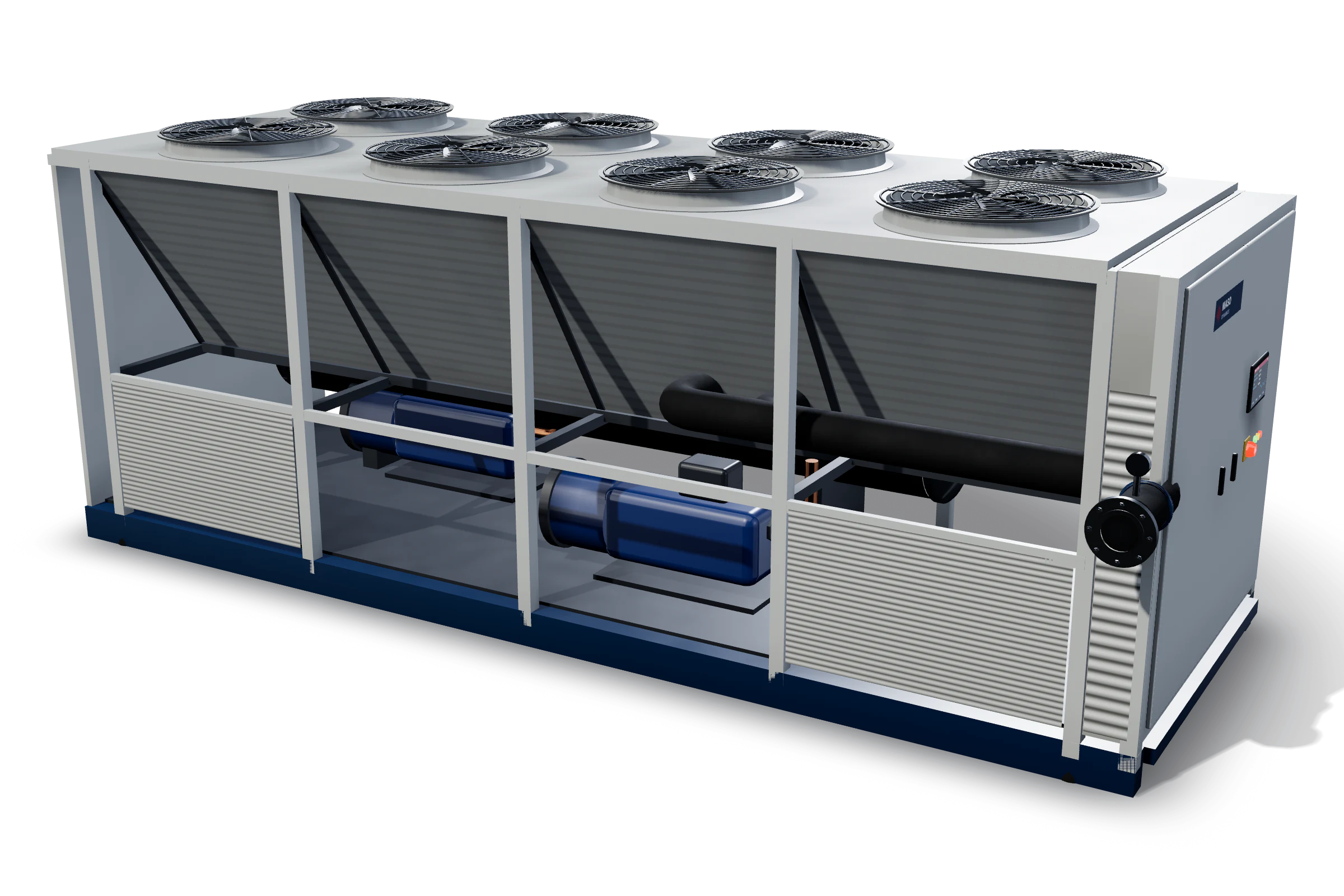
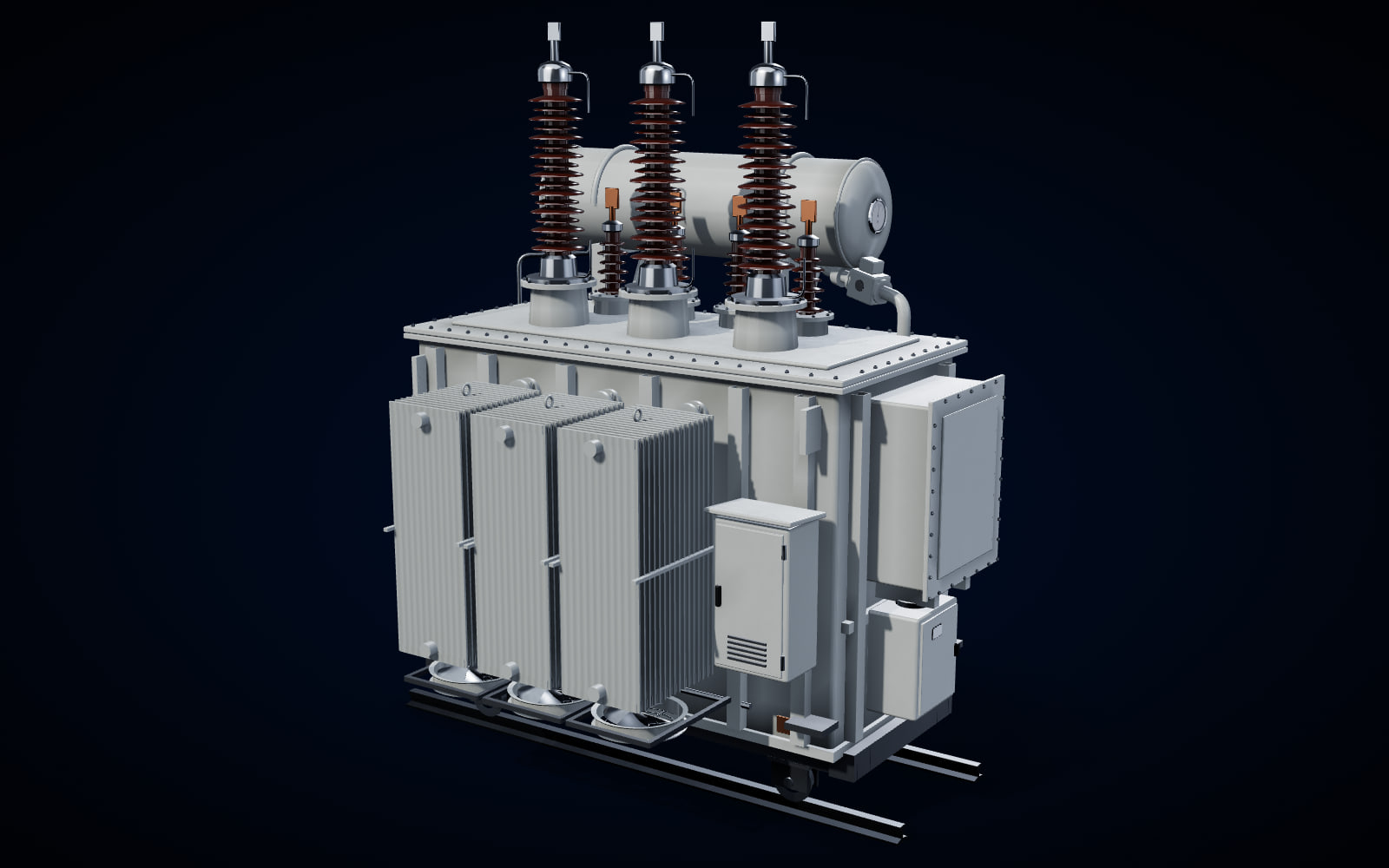
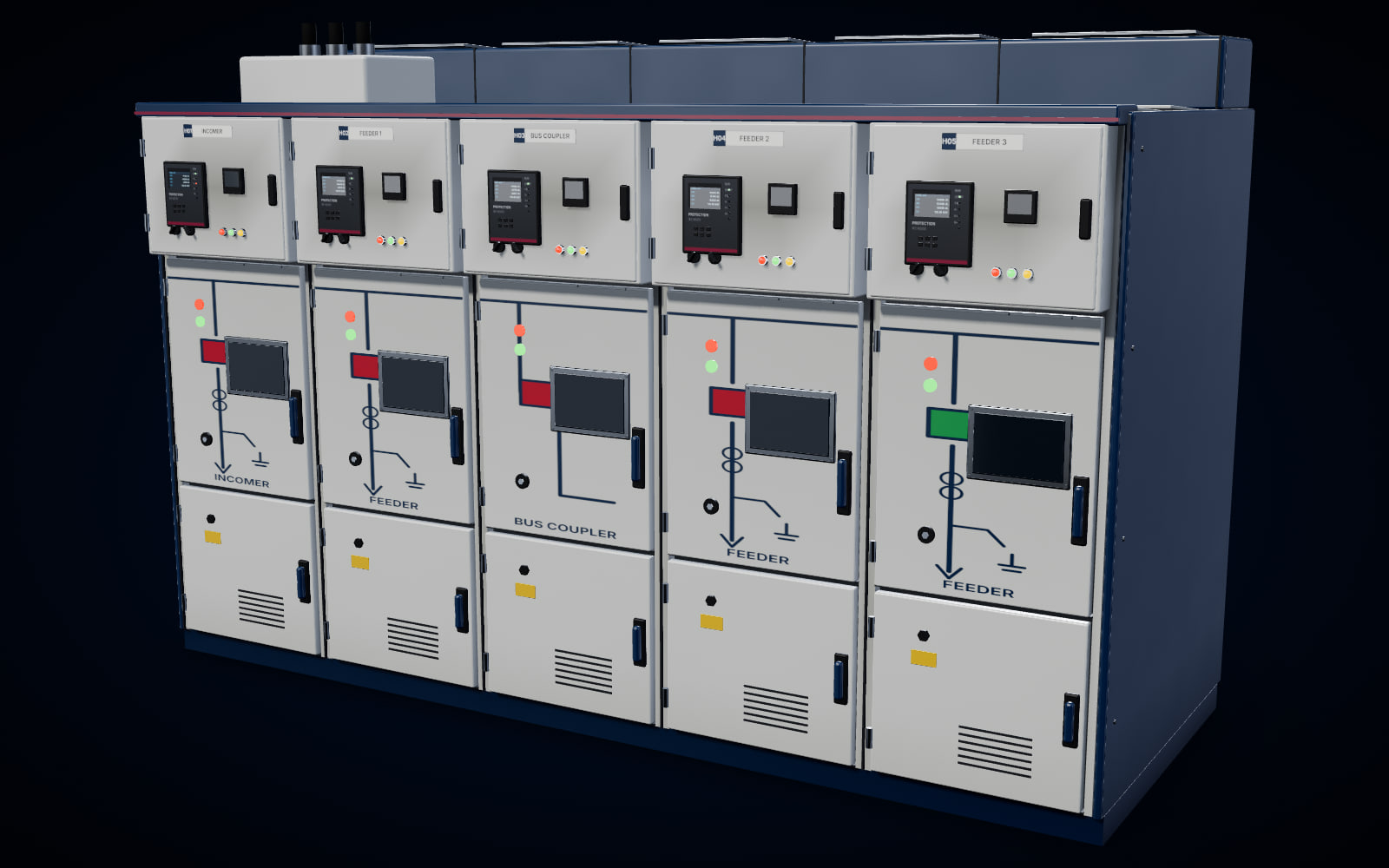
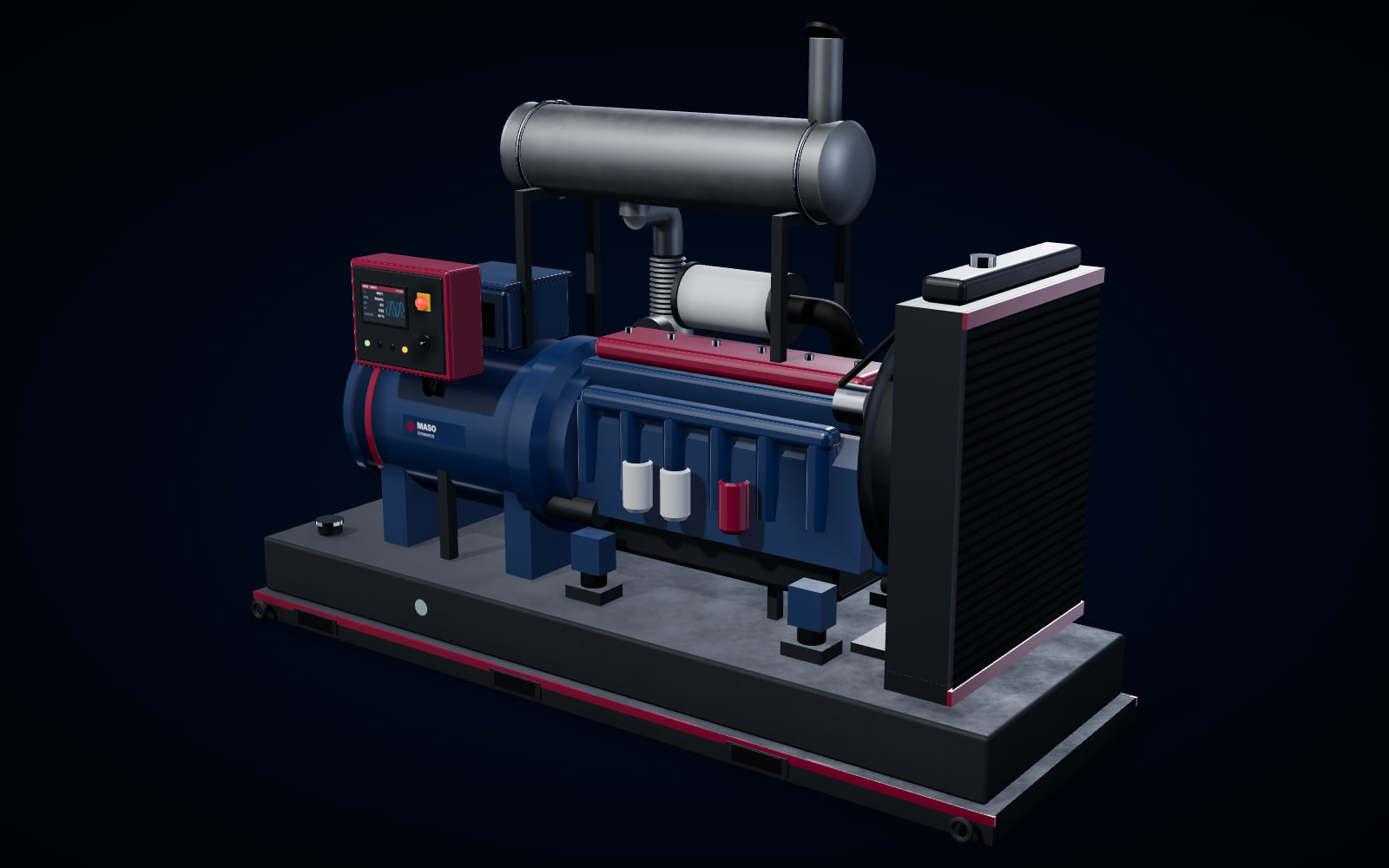
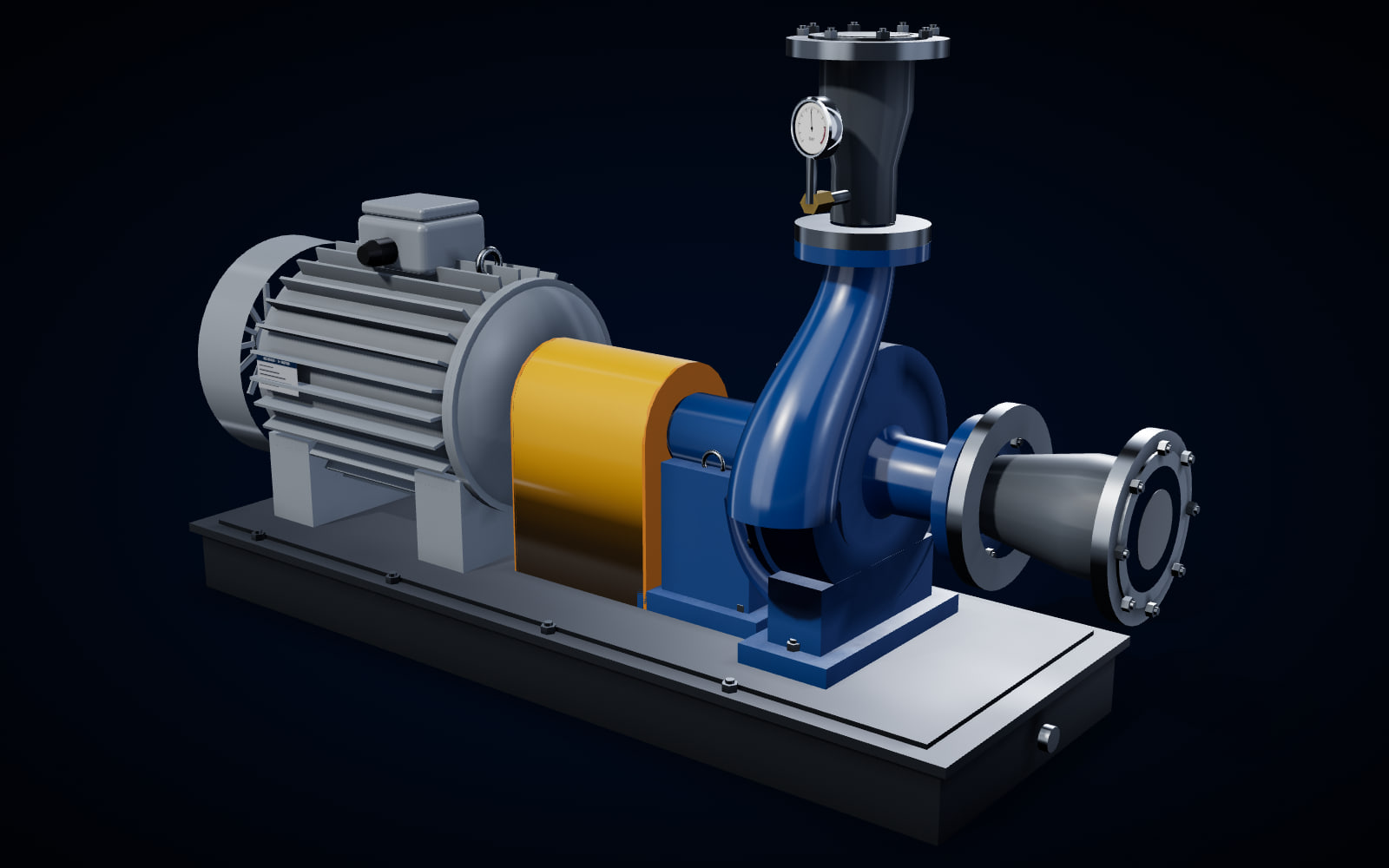
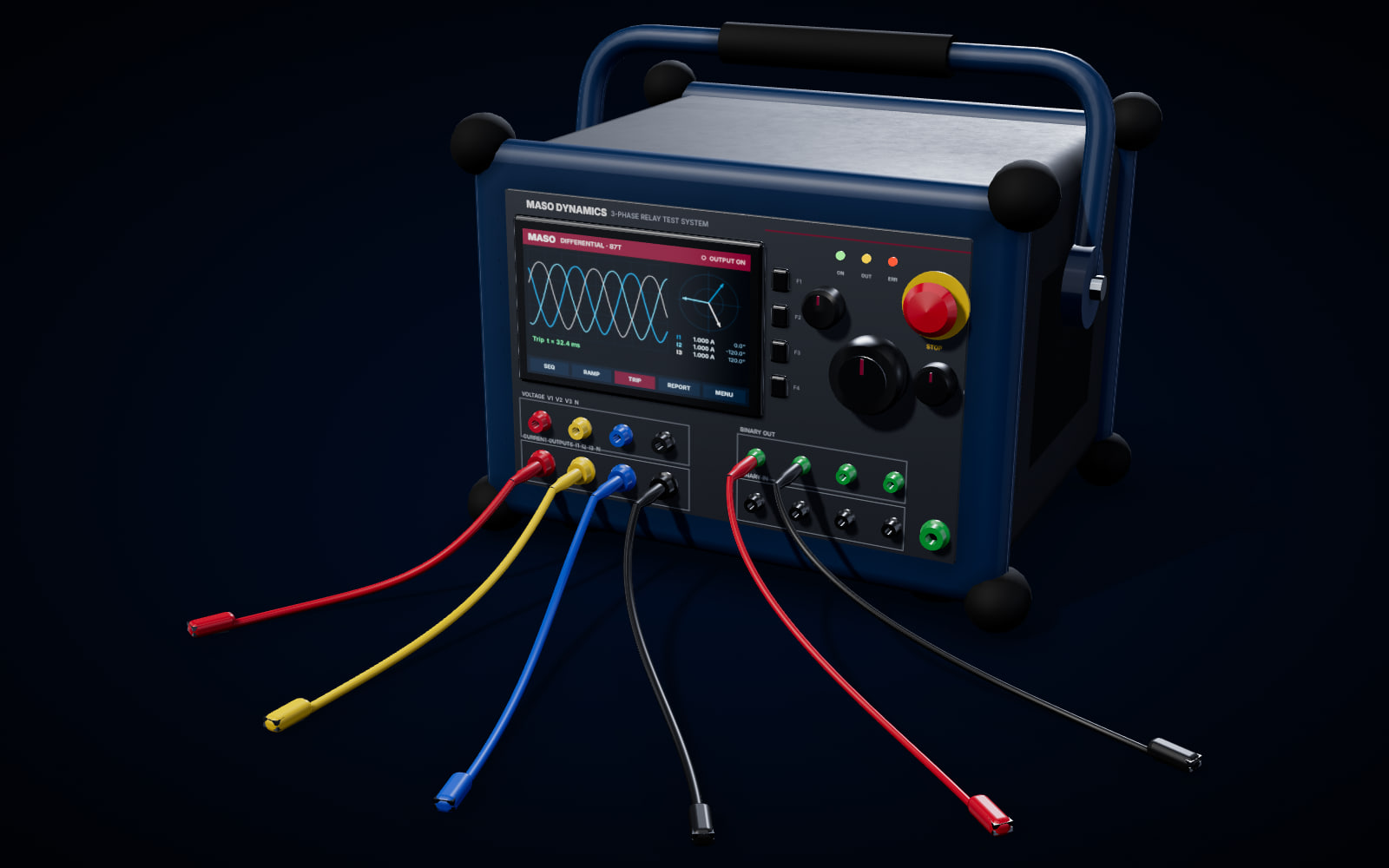
In the Saudi climate, cooling is both mission-critical and energy-intensive. We commission chilled water plants and district cooling networks from individual chiller safeties to whole-plant sequences, then verify capacity, efficiency and kW per ton with calibrated instrumentation.
The control logic that makes a plant efficient, and the interfaces that keep it clean.
Chiller staging & de-staging sequences
Condenser water reset & tower fan optimization
Failure & recovery scenarios: power loss, chiller trip, pump failure
Sensor & flow meter verification against reference instruments
Plant kW/TR measurement & trending
Water treatment dosing, conductivity & bleed-off interface
Side-stream filtration operation
BMS / plant controller integration & alarms
Standards
Standards
AHRI 550/590Performance rating of water-chilling and heat pump water-heating packages
ASHRAE Standard 184Method of test for field performance of liquid-chilling systems
CTI ATC-105Acceptance test code for water cooling towers
ASHRAE Guideline 22Instrumentation for monitoring central chilled-water plant efficiency
ASHRAE Standard 150Method of testing the performance of cool storage systems
AHRI 400Performance rating of liquid-to-liquid heat exchangers
ASHRAE Guideline 0 / Standard 202The commissioning process
ISO 20816Mechanical vibration: measurement and evaluation of machine vibration
What you receive
What you receive
Chiller start-up & performance test records
Cooling tower thermal performance report
Plant efficiency (kW/TR, COP) verification report
Sequence-of-operation functional test records
ETS & energy meter verification sheets
Commissioning dossier with trend data
FAQ
Questions, answered
How do you verify a chiller's capacity on site?
We measure chilled water flow and supply and return temperatures with calibrated instruments, together with the chiller's electrical input, then calculate delivered capacity and efficiency at the actual operating conditions. Results are compared with the manufacturer's rated performance, taking measurement uncertainty into account, using methods aligned with ASHRAE 184.
What is kW per ton, and why does it matter?
It is the electrical power drawn for each ton of refrigeration delivered — the lower the figure, the more efficient the chiller or plant. Measuring it at component and whole-plant level shows where energy is being lost and whether control sequences are working as intended.
Can you test a cooling tower when conditions differ from design?
Yes. CTI ATC-105 sets out test conditions and methods for evaluating tower capability when actual conditions differ from design. We measure water flow, temperatures, wet-bulb temperature and fan power, then evaluate capability against the manufacturer's performance curves.
What is low delta-T syndrome?
It occurs when the difference between chilled water supply and return temperatures is smaller than designed, forcing more pumping and chiller capacity for the same cooling. We diagnose it at coil, ETS and plant level; common causes include control valves, coil fouling, poor balancing and bypass flows.