Power substations

Ready for first energization.

From power transformers to GIS bays, MV cables and earthing grids, we test primary equipment the way service will stress it. Our substation teams combine off-line electrical tests, insulation diagnostics and mechanical checks to confirm every item is fit for energization — and to set the baseline for the life ahead.

Drag to rotate
  • LV · MV · HVVoltage classes
  • GIS · AIS · RMUSwitchgear types
  • IEC · IEEE · NETATest practice

Power Substations & HV/MV Equipment

Tests we perform

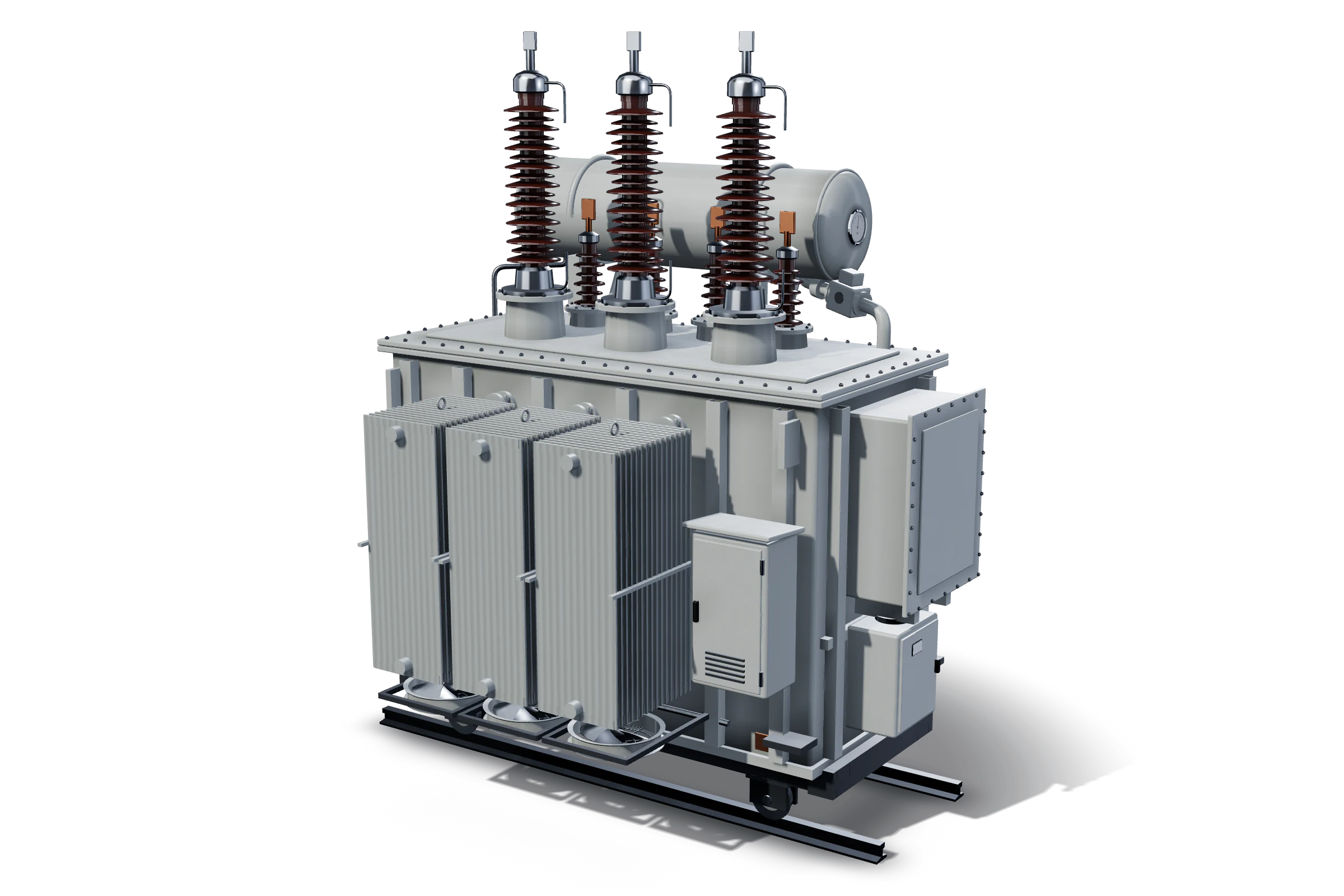
Power & distribution transformers

Oil-immersed and dry-type transformers, including on-load and off-circuit tap changers.

  • Winding resistance (all tap positions)
  • Turns ratio (TTR) & vector group verification
  • Excitation (magnetizing) current
  • Insulation resistance, DAR & polarization index
  • Dissipation factor / tan δ & capacitance (windings and bushings)
  • Short-circuit impedance & leakage reactance
  • Sweep frequency response analysis (SFRA)
  • On-load tap changer dynamic resistance & continuity
  • Insulating oil sampling: BDV, moisture & DGA
  • Protective devices: Buchholz relay, PRD, oil & winding temperature indicators

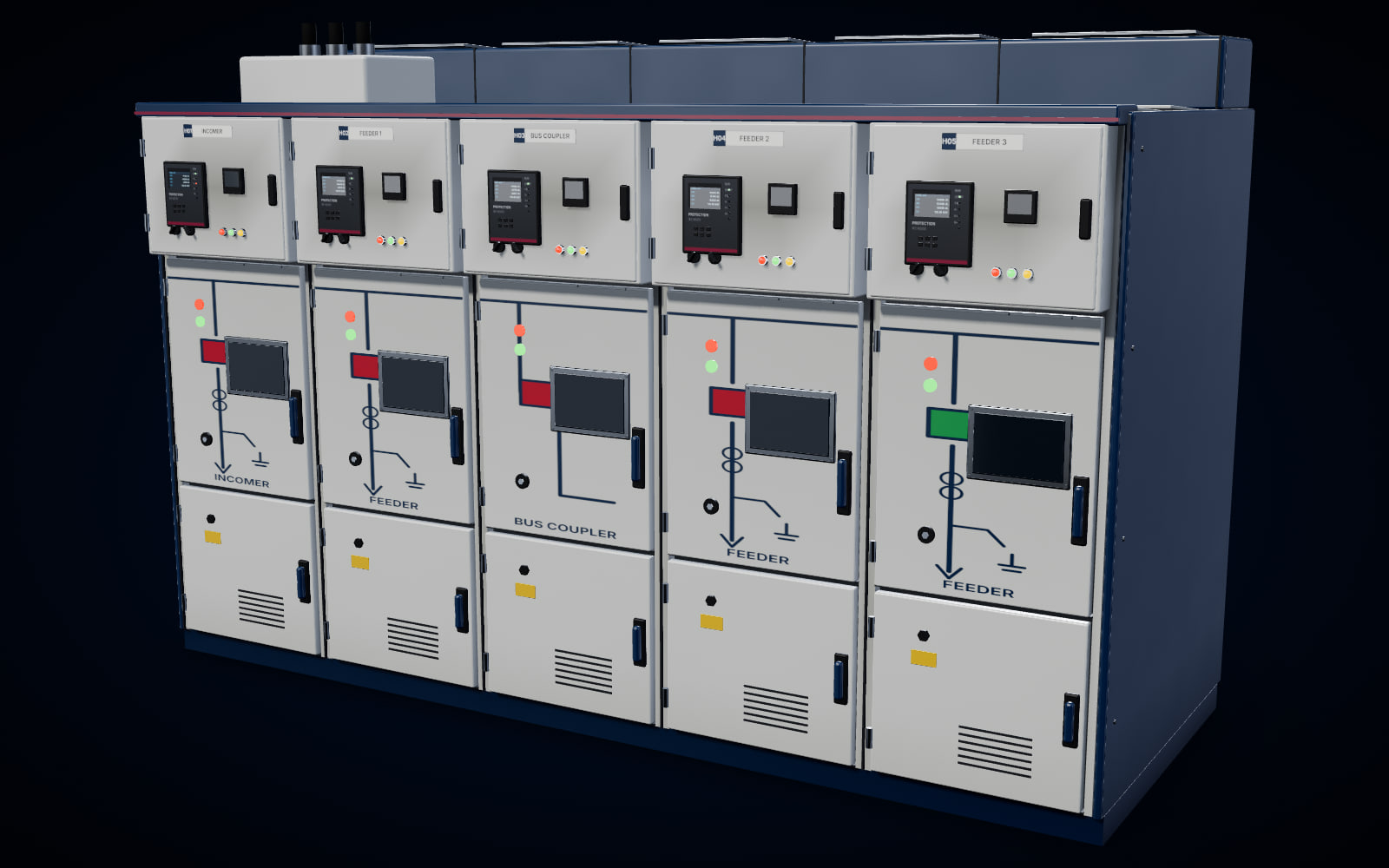
Switchgear & circuit breakers (GIS / AIS)

SF6, vacuum and air-insulated switchgear, from MV panels and ring main units to HV GIS bays.

  • Contact (main circuit) resistance (µΩ)
  • Circuit breaker timing: open, close, close-open & reclose
  • Contact travel, velocity & overtravel
  • Trip & close coil currents and minimum operating voltage
  • Insulation resistance across open contacts and to earth
  • On-site AC high-voltage withstand with partial discharge (GIS)
  • SF6 gas quality: dew point, purity & decomposition products
  • Gas density monitor settings & leak checks
  • Vacuum interrupter integrity test
  • Mechanical & electrical interlock verification

Instrument transformers & surge arresters

Current, voltage and capacitor voltage transformers (CT / VT / CVT), plus metal-oxide surge arresters.

  • CT ratio, polarity & phase-angle error
  • CT excitation curve & knee-point voltage
  • CT secondary winding resistance & burden
  • VT / CVT ratio, polarity & insulation
  • CVT capacitance & dissipation factor
  • Insulation resistance: primary to secondary and to earth
  • Surge arrester leakage current & third-harmonic resistive current
  • Arrester insulation resistance & surge counter check

Power cables & accessories

MV and HV extruded cables with their terminations and joints, tested after laying and jointing.

  • Insulation resistance (conductor & oversheath)
  • Oversheath DC withstand test
  • Very low frequency (VLF) withstand test
  • VLF tan δ (dissipation factor) diagnostics
  • Partial discharge measurement & localization
  • Series-resonant AC withstand test (HV cables)
  • Conductor & screen continuity and phasing
  • Cable fault location: TDR, pre-location & pinpointing
  • Sheath bonding & sheath voltage limiter (SVL) checks

Earthing systems & busbars

Substation earth grids, electrodes and bonding, plus busbar and busduct systems.

  • Earth electrode resistance (fall-of-potential)
  • Earth grid integrity & continuity
  • Soil resistivity (Wenner four-pin method)
  • Step & touch potential measurement
  • Bonding & equipotential continuity
  • Busbar joint resistance (µΩ)
  • Busbar insulation resistance & AC withstand
  • Joint torque verification

Capacitor banks, reactors & DC systems

Reactive compensation equipment, and the station batteries and chargers that keep protection alive.

  • Capacitance per unit & bank unbalance check
  • Capacitor insulation resistance & discharge resistor verification
  • Reactor inductance / impedance & winding resistance
  • Reactor insulation resistance & tan δ
  • Battery capacity (discharge) test
  • Cell voltage, internal resistance & intercell connection resistance
  • Charger output, ripple & alarm verification
  • DC earth-fault monitoring check

Standards

Standards

  • IEC 60076Power transformers
  • IEEE C57.152Diagnostic field testing of fluid-filled power transformers, regulators and reactors
  • IEC 62271High-voltage switchgear and controlgear (incl. Part 100 circuit breakers, Part 203 GIS)
  • IEC 61869Instrument transformers
  • IEC 60099-4Metal-oxide surge arresters without gaps for AC systems
  • IEEE 400 / 400.2Field testing of shielded power cable systems; VLF testing
  • IEEE 81Measuring earth resistivity, ground impedance and earth surface potentials
  • IEEE 450 / 1188Maintenance and testing of vented lead-acid and VRLA batteries
  • ANSI/NETA ATSAcceptance testing specifications for electrical power equipment and systems

What you receive

What you receive

  • Test sheets for every item, by equipment type
  • Transformer & breaker baseline signatures (SFRA, timing)
  • Cable test certificates (VLF, tan δ, PD)
  • Earthing system test report
  • Energization readiness checklist & punch list
  • Substation commissioning dossier

FAQ

Questions, answered

What tests do you carry out before energizing a new transformer?

A typical pre-energization programme covers insulation resistance and polarization index, winding resistance, turns ratio, excitation current, tan δ and capacitance, SFRA, oil quality and checks of every protective device. The exact scope follows the specification and the manufacturer's requirements, and we agree it with you in the inspection and test plan.

Why test MV and HV cables with VLF instead of DC?

High-voltage DC can leave space charge in extruded (XLPE) insulation and does not stress it the way service voltage does. VLF withstand testing, combined with tan δ and partial discharge diagnostics, gives a more representative picture of cable and accessory condition, in line with IEEE 400.2.

Can you witness factory acceptance tests for substation equipment?

Yes. We attend FATs on the client's behalf, review routine test results against the specification and report deviations before equipment leaves the factory. Those factory values then become the reference for our site tests.

Do you test existing substations, or only new ones?

Both. Alongside acceptance testing for new installations, we carry out periodic maintenance and diagnostic testing on in-service equipment, compare results with earlier records and recommend actions based on the trend.


Plan your next commissioning.

Tell us about the asset, the schedule and the standard, and an engineer will scope the work with you.

Talk to an engineer