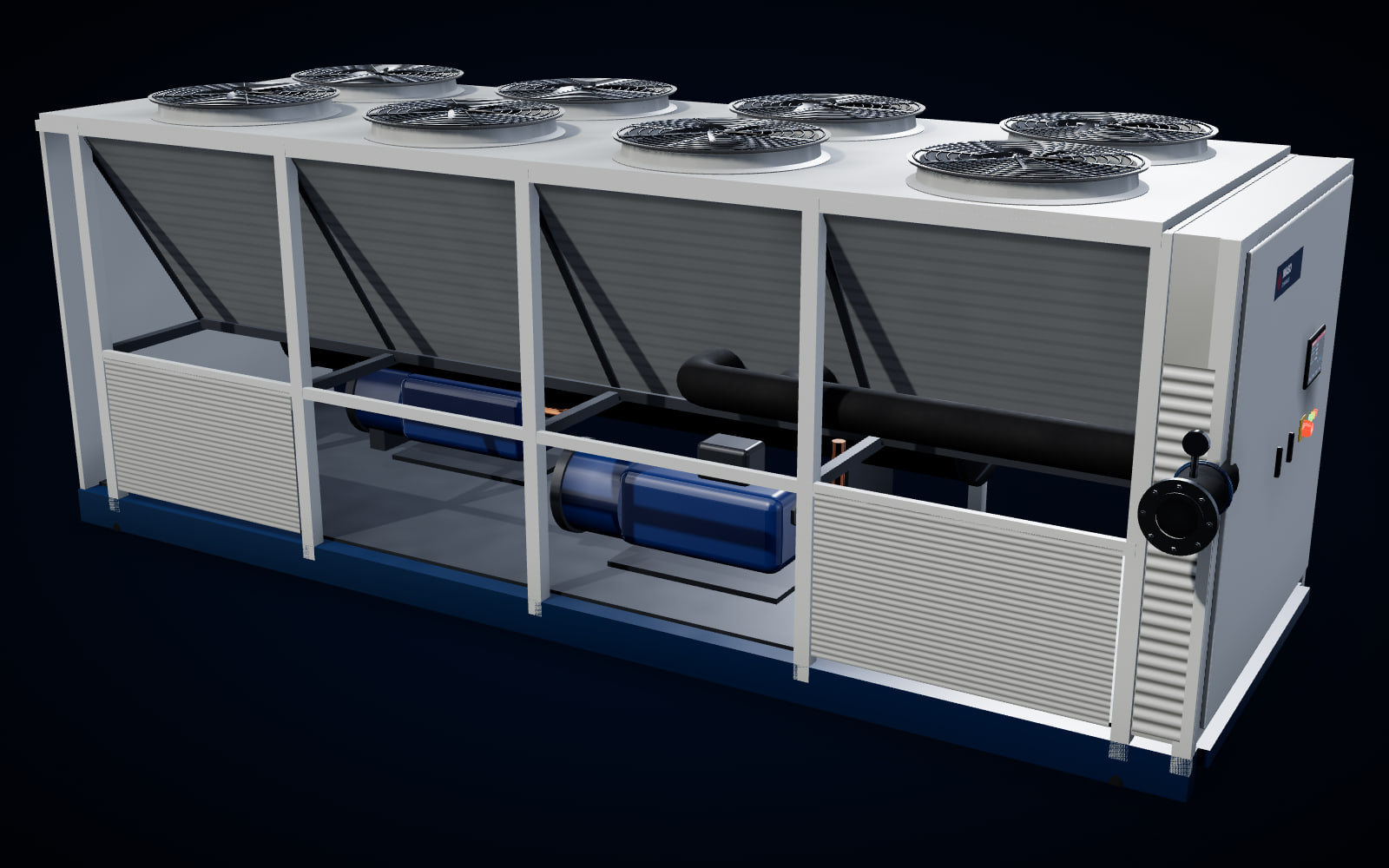
Mechanical systems

Balanced. Pressure-tested. Proven.

Mechanical systems are only as good as their final adjustment. We pressure-test piping, balance air and water to design, verify pump and fan performance, and prove fire-fighting and life-safety interfaces — so the building performs the way it was designed, not just the way it was installed.

Drag to rotate
  • Air · WaterTesting, adjusting & balancing
  • Hydrostatic · PneumaticPressure testing
  • Fire pumps · Sprinklers · AlarmsLife-safety systems

Mechanical Systems

Tests we perform

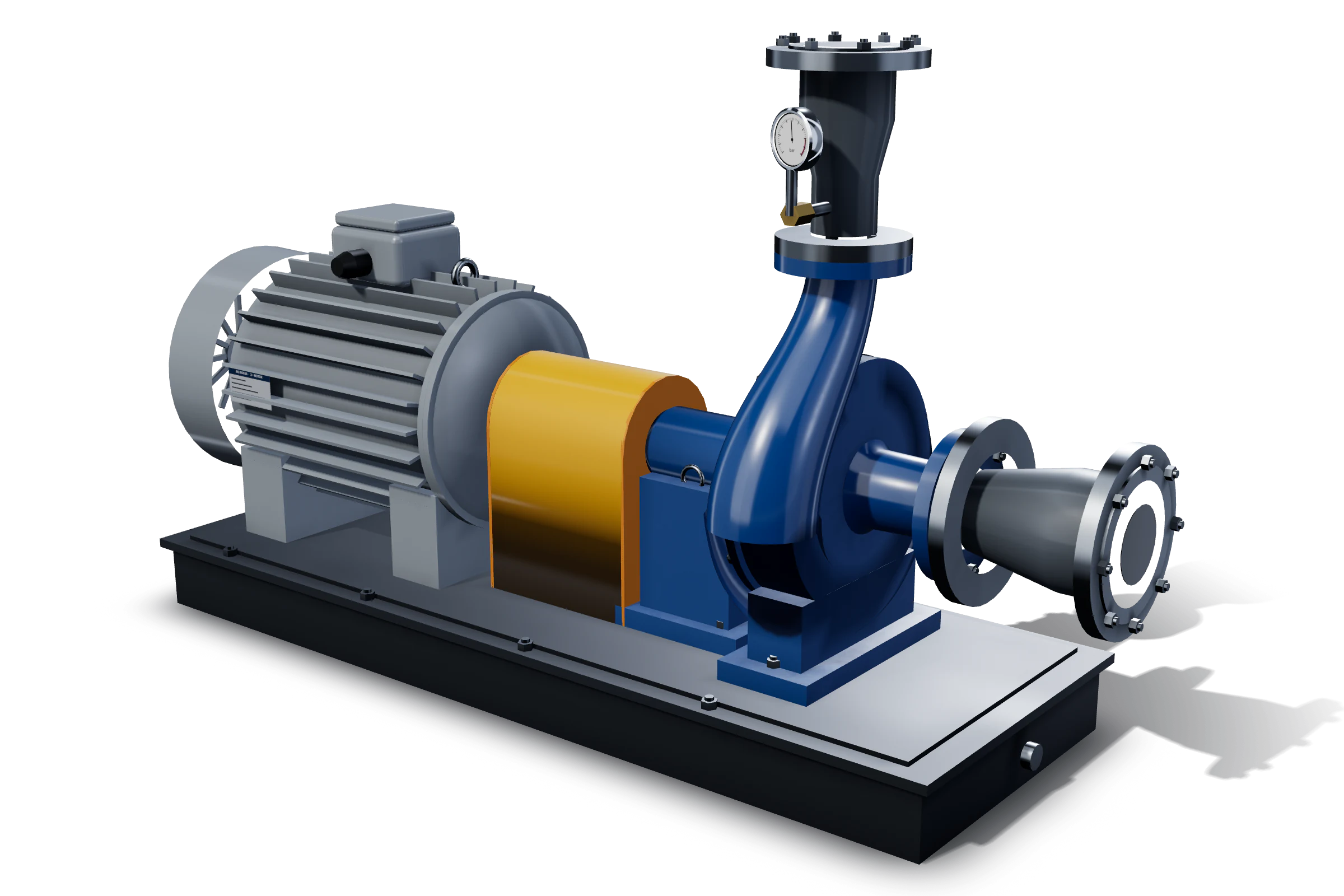
Pumps

Chilled water, condenser water, domestic water, transfer and booster pumps.

  • Pre-start checks: lubrication, rotation & coupling
  • Shaft alignment verification (laser)
  • Flow, head & power against the pump curve
  • Motor current & voltage balance under load
  • Vibration measurement against acceptance limits
  • Bearing temperature & seal leakage checks
  • Duty / standby changeover & sequencing
  • Variable speed control & pressure setpoint response

HVAC air side

Air handling units, fan coil units, fans and ductwork, from component checks to system performance.

  • Ductwork air leakage testing
  • AHU & fan functional checks: rotation, belts, dampers, VFD
  • Fan airflow & static pressure measurement
  • Coil performance: air and water temperatures
  • FCU functional & thermostat control checks
  • Filter differential pressure & alarm verification
  • Fire & smoke damper operation
  • Room pressure cascades & air change rates
  • Sound level measurement in occupied spaces

Testing, adjusting & balancing (TAB)

Air and water distribution balanced to design flows, with every terminal measured and recorded.

  • Air terminal (diffuser / grille) flow measurement & balancing
  • Duct traverse (pitot tube) measurements
  • VAV box airflow verification (minimum / maximum)
  • Hydronic balancing with balancing valves & flow measurement
  • Pressure-independent control valve (PICV) verification
  • Coil water flow & temperature differential
  • Outdoor, return & exhaust air balance
  • Final TAB report: design versus measured values

Fire-fighting systems & fire pumps

Fire pumps, sprinkler and standpipe systems, and their interfaces with fire alarm and building systems.

  • Fire pump acceptance (flow) test: churn, 100% and 150% points
  • Fire pump controller auto-start & pressure switch tests
  • Jockey pump cut-in / cut-out settings
  • Hydrostatic test of sprinkler & standpipe piping
  • Main drain & inspector's test connection flow tests
  • Flow switch & valve tamper switch signal verification
  • Fire alarm cause-and-effect interface tests
  • Interfaces: HVAC shutdown, smoke control, lift recall, door release

Piping, plumbing & drainage

Pressure and leak tests for process, HVAC and plumbing piping, plus drainage and water systems.

  • Hydrostatic pressure testing
  • Pneumatic pressure testing
  • Leak testing & pressure-decay hold
  • Flushing & cleanliness verification
  • Drainage water (flood) & air tests
  • Domestic water pressure, flow & temperature checks
  • Booster set & pressure vessel settings
  • Water heater & recirculation loop functional checks

Elevators & escalators (functional)

Functional and commissioning checks of vertical transportation, coordinated with the installer and the relevant inspection body.

  • Ride quality: vibration & noise measurement
  • Levelling accuracy at each landing
  • Door operation, re-opening devices & timing
  • Speed verification (up / down)
  • Emergency lighting, alarm & intercom checks
  • Fire recall & firefighter service interface tests
  • Standby power operation & homing
  • Escalator emergency stop & safety device functional checks

Standards

Standards

  • ASHRAE Guideline 0The commissioning process
  • ASHRAE Standard 202Commissioning process for buildings and systems
  • ASHRAE Standard 111Measurement, testing, adjusting and balancing of building HVAC systems
  • ANSI/HI 9.6.4Rotodynamic pumps: vibration measurement and allowable values
  • NFPA 20Installation of stationary pumps for fire protection
  • NFPA 25Inspection, testing and maintenance of water-based fire protection systems
  • NFPA 72National fire alarm and signaling code
  • ASME B31.9 / B31.3Building services piping / process piping (pressure testing)
  • SBC 501 / SBC 801Saudi Building Code: mechanical and fire codes

What you receive

What you receive

  • Pressure test certificates
  • Pump & fan performance records
  • TAB report: design versus measured
  • Fire pump acceptance test report
  • Cause-and-effect interface test matrix
  • Functional performance test (FPT) records

FAQ

Questions, answered

What is testing, adjusting and balancing (TAB)?

TAB is the process of measuring air and water flows throughout a system and adjusting dampers, valves and fan or pump speeds until every terminal delivers its design quantity. The result is a documented system that delivers comfort and efficiency as designed, and a baseline for future troubleshooting.

Do you carry out hydrostatic or pneumatic pressure tests?

Both, according to the piping code, the specification and the fluid service. Hydrostatic testing is preferred wherever practical; pneumatic testing is used only where justified, under a controlled procedure with appropriate safety precautions.

What does a fire pump acceptance test involve?

Following NFPA 20, the pump is run at churn, rated flow and peak (150%) flow while suction and discharge pressures, speed and motor or engine parameters are recorded and compared with the certified pump curve. Controller functions, alarms and automatic starts are also proven.

Do you certify elevators and escalators?

No. Statutory inspection and certification of lifts and escalators rests with the authorized inspection body. Our role is functional and commissioning testing — ride quality, levelling, safety functions and interfaces with fire and power systems — to support a smooth inspection and handover.


Plan your next commissioning.

Tell us about the asset, the schedule and the standard, and an engineer will scope the work with you.

Talk to an engineer