Many failures announce themselves long before they happen — as heat, discharge, gas, vibration or distortion. Our diagnostic services listen for those signals, often with equipment in service, and turn them into trended, prioritized actions that protect uptime and extend asset life.
Insulating oil sampled on site and analysed to reveal faults and ageing inside the tank.
Dissolved gas analysis (DGA)
Breakdown voltage (BDV)
Moisture content (Karl Fischer)
Furan analysis (paper insulation ageing)
Acidity (neutralization number)
Interfacial tension (IFT)
Oil dissipation factor & resistivity
Colour & visual examination
Inhibitor content & corrosive sulphur
Transformer & insulation diagnostics
Advanced off-line diagnostics that look inside windings, core and insulation without opening the unit.
Sweep frequency response analysis (SFRA)
Dielectric frequency response (DFR / FDS)
Moisture-in-cellulose assessment from DFR
Tan δ & capacitance versus voltage (tip-up)
Per-phase leakage reactance
On-load tap changer dynamic resistance
Bushing capacitance & dissipation factor
Core & core-frame insulation resistance
Power quality & harmonics
Measurement campaigns that show how clean, stable and efficient a supply really is.
Voltage & current harmonics (THD, TDD, individual orders)
Voltage sags, swells & interruptions
Flicker (Pst / Plt)
Voltage unbalance
Power factor & reactive power profiles
Transient capture
Load profiling & demand analysis
Neutral current & earth leakage investigations
Vibration & motor diagnostics
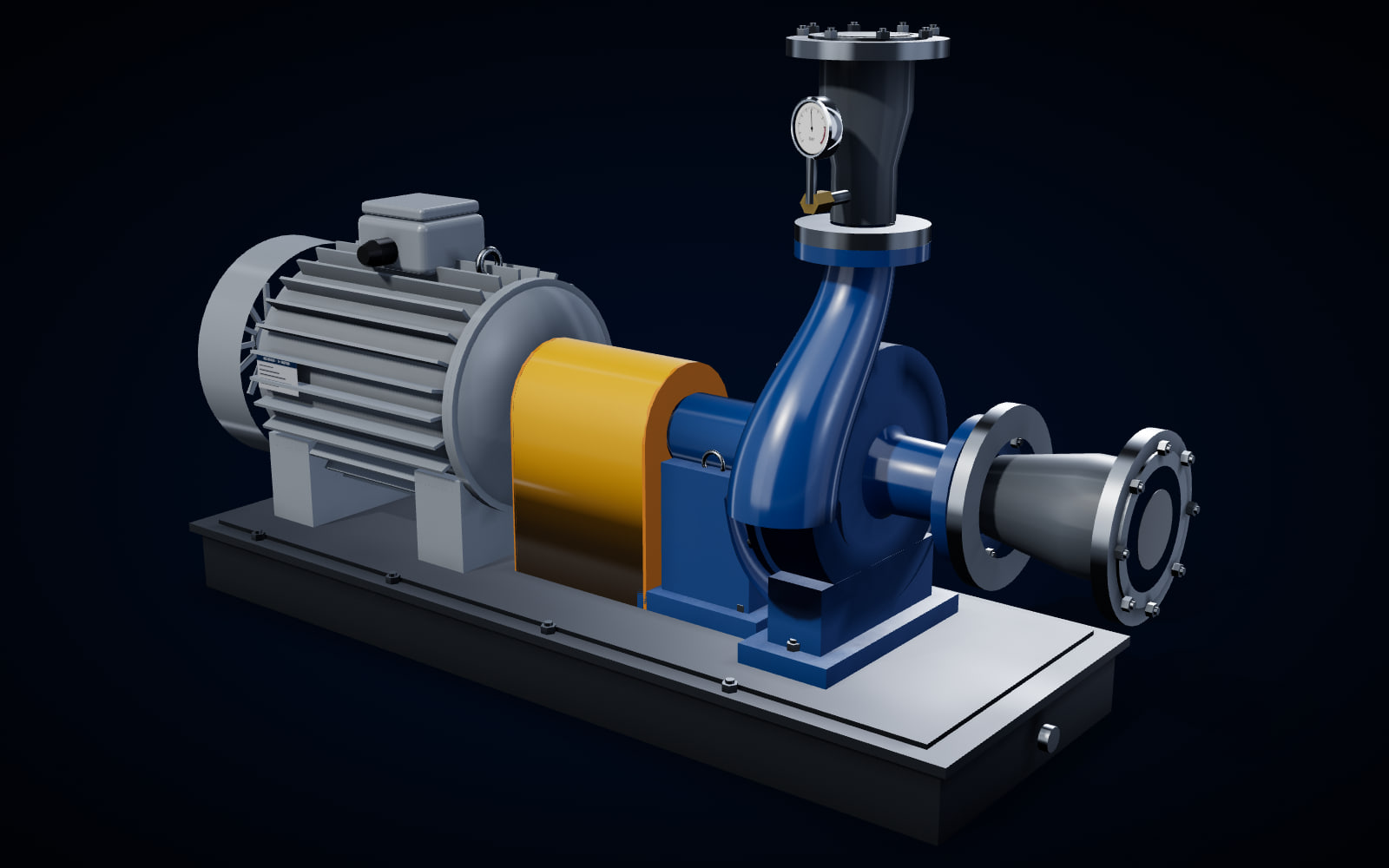
Mechanical and electrical signature analysis for pumps, fans, compressors, motors and generators.
Overall vibration velocity against severity limits
FFT spectrum analysis
Bearing condition (acceleration enveloping)
Unbalance, misalignment & looseness diagnosis
Resonance & bump testing
In-situ field balancing
Motor current signature analysis (MCSA)
Rotor bar & air-gap eccentricity assessment
Route-based periodic condition monitoring with trending
Standards
Standards
ISO 18434-1Condition monitoring: thermography general procedures
IEC 60270High-voltage test techniques: partial discharge measurements
IEC 60599 / IEEE C57.104Interpretation of dissolved gas analysis
IEC 60422Mineral insulating oils: supervision and maintenance guidance
IEC 60076-18 / IEEE C57.149Frequency response analysis of transformers
IEEE C57.161Guide for dielectric frequency response testing
IEC 61000-4-30 / IEEE 519Power quality measurement methods; harmonic control
ISO 20816 / ISO 13373Machine vibration evaluation; vibration condition monitoring
ISO 20958Electrical signature analysis of three-phase induction motors
What you receive
What you receive
Thermography reports with severity grading & images
PD survey reports with location & trend
Oil analysis results with DGA interpretation
Power quality study report with recommendations
Vibration spectra & diagnostic findings
Asset-health index & trend reports
FAQ
Questions, answered
Can diagnostic tests be done without a shutdown?
Many can. Thermography, airborne ultrasound, on-line partial discharge, oil sampling, vibration analysis, MCSA and power quality monitoring are all carried out with equipment in service. Off-line tests such as SFRA and DFR are scheduled into planned outages.
How often should equipment be surveyed?
It depends on criticality, age, operating environment and previous results. We agree intervals with you using guidance such as ANSI/NETA MTS, and shorten them where trends show deterioration.
What does dissolved gas analysis tell you?
Faults inside a transformer — overheating, partial discharge or arcing — break down oil and paper into characteristic gases. Measuring those gases and their rate of increase, then interpreting them with the methods in IEC 60599 and IEEE C57.104, identifies the likely fault type before it escalates.
Why trend results instead of relying on a single test?
A single reading shows a condition; a trend shows a direction. Comparing results with the asset's own baseline, sister units and earlier surveys separates normal ageing from active deterioration, so maintenance is planned on evidence rather than the calendar alone.